
Restless Legs
Understanding RLS, nightly discomfort, and the surprising connection to leg veins
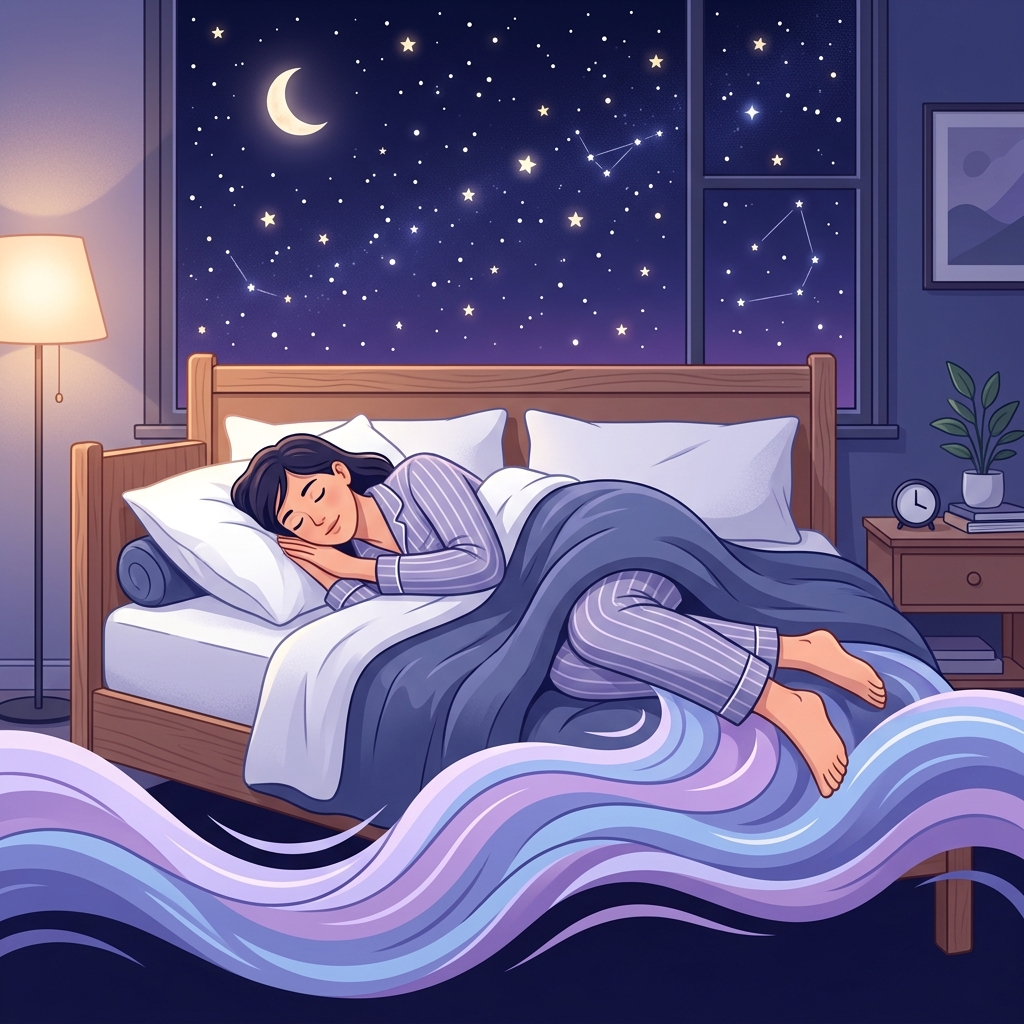
Do you experience an irresistible, uncomfortable urge to move your legs in the evening or at night? Restless Legs Syndrome (RLS) can make it extremely difficult to fall asleep or remain comfortable. While it is often considered a neurological problem, many patients are surprised to discover that RLS is frequently triggered or worsened by underlying venous insufficiency.
The Surprising Vein Link
Under normal conditions, blood moves efficiently out of your legs back to your heart. However, if your vein valves are weak or damaged (venous reflux), blood pools in your lower limbs throughout the day.
This pooling blood increases local venous pressure and stretches your veins, which directly irritates the surrounding sensory nerves in your legs. At night, as you lie still and your circulation slows down, this nervous system irritation manifests as an uncomfortable, creeping, or pulling sensation—triggering the classic restless urge to move.
When Restless Legs Point to Veins:
- Your restless symptoms are accompanied by lower leg aching, swelling, or heaviness.
- You have visible spider veins or bulging varicose veins on your calves or ankles.
- Your restless legs improve when you wear compression stockings or elevate your feet.
Answers to Common Restless Legs Questions
What does restless legs actually feel like?
Restless legs are usually described as an uncomfortable creeping, pulling, crawling, or tingling sensation inside the legs, typically in the calves. It triggers an overwhelming, almost uncontrollable urge to move your legs. The symptoms appear almost exclusively when you are resting, sitting still for long periods, or lying in bed at night, and are temporarily relieved by stretching, walking, or shaking your legs.
How are restless legs related to vein problems?
Venous insufficiency causes blood to pool in the lower leg veins under high pressure. This pressure buildup leads to mild tissue inflammation and fluid accumulation, which directly irritates the sensory nerves running through your calf muscles. When you are still, this nerve irritation signals a creeping discomfort that your brain interprets as the urge to move.
Can compression stockings help restless legs?
Yes! If your restless leg symptoms are related to venous congestion and blood pooling, wearing graduated compression stockings during the day can make a massive difference. Compression stockings apply external support to keep your blood flowing in the correct direction, preventing pooling and venous pressure buildup.
Watch: Why Doctor Explains Compression Stockings
Discover from the Gentle Vein YouTube channel how compression stockings work, why doctors recommend them, and how they help settle restless leg sensations caused by poor circulation.
Do You REALLY Need Compression Stockings? (Doctor Explains)
Frequently Asked Questions
Is RLS always caused by vein disease?
Will walking before bed help restless legs?
How can an online vein consultation help with RLS?
Enjoy peaceful, quiet nights again
If you are a Florida resident struggling with uncomfortable restless leg urges at night, find out if your veins are the missing link. Get professional physician guidance from Gentle Vein today.